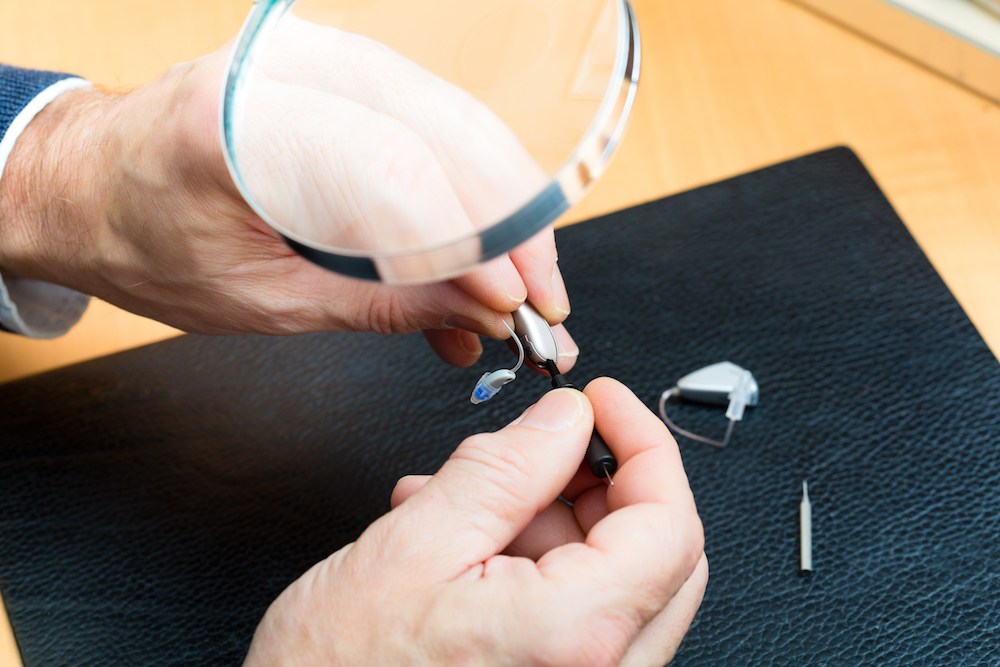
When the weather turns colder and indoor heating becomes part of daily life, the conditions around you change in subtle ways that can influence how your hearing aids function. Warmer, drier indoor air and frequent movement between cool outdoor spaces and heated rooms can sometimes affect sound quality or consistency.
These shifts do not usually mean something is wrong with your devices, but they can explain why your hearing aids may seem to perform a bit differently during the colder months. Having a general understanding of how temperature and indoor climate play a role helps set realistic expectations for day-to-day use.

Thinking about hearing aid performance in heated environments is less about worrying and more about staying informed. Many people spend long periods indoors during winter, which means their devices are exposed to changing conditions throughout the day.

Knowing that these factors exist allows you to respond if you notice small changes in sound or reliability. With a few simple habits and awareness, you can continue using your hearing aids comfortably while moving between indoor and outdoor settings.

Different Types of Home Heating Systems and What They Mean for Air Quality

Different home heating systems can affect indoor air quality in different ways, which may influence how consistently your hearing aids perform. Forced-air systems, like furnaces and heat pumps, push warm air through vents.

If filters are dirty or rarely changed, dust and fine particles can circulate through the house. This can collect around hearing aid microphones and vents, sometimes leading to muffled sound or extra maintenance.

Radiant systems, like baseboard or in-floor heating, warm the room without moving air around. These systems tend to produce fewer airborne particles, which can make the environment a little cleaner for your devices.

Space heaters, fireplaces and wood stoves add another layer to consider. These heating sources can dry out the air or release small amounts of smoke or residue into the room, especially if ventilation is poor.

Dry air may increase static electricity, and that can occasionally interfere with electronics like hearing aids. Understanding the type of heating in your home helps you stay ahead of potential issues.

Simple steps like using clean filters, running an air purifier or keeping your hearing aids stored safely when not in use can make heated indoor spaces more comfortable for both you and your devices.

How Indoor Heating Can Change the Way Hearing Aids Work

Indoor heating can influence how your hearing aids perform, even if the changes feel subtle at first. When the air inside becomes warmer and drier, it can affect the small electronic parts that help your devices process sound.

Dry indoor air can also increase static in clothing and furniture, which may occasionally cause brief glitches or small bursts of sound in your hearing aids. Temperature shifts throughout the day, like stepping inside after being outdoors, may also change how sound is picked up or amplified, which can make your voice or everyday noises feel slightly different than what you are used to.

Heated air often moves dust and tiny particles around your home, which can settle near the microphone or receiver openings. Over time, this can lead to a muffled or uneven sound if the devices are not cleaned on a regular basis.

If you wear behind-the-ear hearing aids, moving between colder outdoor temperatures and warm rooms can sometimes cause moisture to develop inside the tubing or casing. This moisture can temporarily affect performance until it dries.

Understanding how heating systems influence the air around you, it becomes easier to recognize why your hearing aids may sound different at times and take simple steps to keep them working smoothly.

Why Humidity Matters for Keeping Hearing Aids Working Properly

Humidity, or the amount of moisture in the air, plays a big role in hearing aid performance. When indoor air is too dry, hearing aids can lose needed moisture, causing parts to become brittle or less flexible. Too much moisture, on the other hand, can lead to corrosion or muffled sound.

Maintaining a balanced level of humidity helps protect both the electronic and physical parts of your devices. This balance supports clear sound and helps your hearing aids last longer.

Noticing When Your Hearing Aids Are Not Working Well in Heated Rooms

It can sometimes be difficult to tell whether your hearing aids are reacting to the warm, dry air in heated rooms or if something else is going on. When indoor heating runs for long periods of time, the change in temperature and humidity can affect how your devices pick up and process sound.

You might first notice small changes, like voices sounding slightly different or your hearing aids feeling less consistent than usual. Paying attention to these early signals can help you spot problems before they turn into bigger frustrations.

Some signs your hearing aids may not be working well in heated rooms include:

  • Sounds suddenly becoming softer or less clear.
  • Voices seeming distorted or slightly off.
  • Static or faint crackling noises you did not notice before.
  • Your own voice sounding unusually loud or hollow.
  • One device performing better than the other.
  • Needing to turn up the volume more than usual.
  • Moisture in the tubing or earmold after moving indoors.

How Changes in Room Temperature May Shorten Battery Life

Shifts in room temperature can sometimes have an effect on hearing aid battery life, especially during the colder months when you move between outdoor air and heated indoor spaces. Batteries work best in stable, moderate conditions. When the temperature changes quickly, it can interfere with how the battery delivers power.

Cold air can slow the chemical reaction inside the battery, while warm, dry indoor air may cause it to drain more quickly than expected. You might notice that your batteries do not last as long as they usually do or that the sound weakens before the battery warning goes off.

Understanding that temperature plays a role can help you plan ahead, carry spare batteries or a charger and avoid worrying that something is wrong with your devices.

Modern Features That Help Protect Hearing Aids in Warm Indoor Spaces

Many newer hearing aids include protective coatings that help protect against dust and moisture, even in warm, dry environments. These coatings keep small parts working smoothly by preventing particles from sticking to sensitive areas.

Some devices also feature built-in filters and covers that block debris before it reaches microphones or speakers. Smart battery technology helps manage power use, so batteries last longer even with temperature changes.

Cleaning Steps That Help Prevent Dry Air Buildup on Your Devices

Keeping your hearing aids clean is one of the best ways to reduce the effects of dry indoor air on their performance. During the winter, warm air can dry out the skin in your ears and increase debris buildup around the microphones and sound openings.

This buildup can make sounds seem dull, distorted or inconsistent. A simple daily cleaning routine helps keep the tiny openings clear so your devices can work the way they are meant to.

Here are a few helpful cleaning steps to follow:

  • Wipe your hearing aids with a soft, dry cloth at the end of each day.
  • Use the cleaning brush that came with your devices to gently clear away dust and wax.
  • Check the microphone and sound openings for any blockages.
  • Clean earmolds or domes to remove debris or dry skin.
  • Replace wax guards when they begin to clog.
  • Make sure your hands are clean and dry before handling your devices.

Best Ways to Store Your Hearing Aids When You Are Not Using Them Inside

Proper storage makes a difference in how well your hearing aids work. Using a hard protective case shields your devices from drops and bumps, while a drying box removes leftover moisture but requires power to operate.

Simple fabric pouches are easy to carry but offer less protection from dust or impacts. Choosing the right storage method for your needs helps prevent problems caused by indoor heat, dry air or accidental spills.

How Dehumidifiers and Drying Kits Can Help Maintain Your Devices

Dehumidifiers and drying kits are useful tools for keeping hearing aids in good condition during winter. These products remove extra moisture that can build up inside your devices, even if the air feels dry.

Using a dehumidifier or drying kit each night helps prevent issues like corrosion or sound problems and supports longer device life.

Knowing When to Check or Change Parts After Heat Exposure Indoors

After spending time in heated indoor spaces, it is important to check your hearing aids for signs of wear. Heat and dry air can cause parts like tubing, domes or wax guards to become brittle or clogged more quickly.

Look for cracks in plastic parts or changes in fit. If sound quality changes or comfort decreases, it may be time to clean or replace certain parts. Checking your devices weekly during colder months helps catch small problems early and keeps your hearing aids working as they should.

Planning to Manage Your Hearing Aids During Colder Weather

Planning ahead for colder weather helps prevent issues with your hearing aids. Setting a regular cleaning schedule is important when indoor heat can cause dust and static to build up faster. Checking batteries more often during winter also helps you avoid sudden power loss.

Choosing the right storage for your hearing aids, like a protective case or drying kit, keeps them safe from dry air and moisture changes. Being prepared for seasonal changes supports clear sound and longer device life.

Keeping Your Hearing Aids Working Their Best in Heated Indoor Spaces

Managing your hearing aids in heated indoor spaces helps ensure clear sound and dependable use throughout the colder months. Dry air, static electricity and faster battery drain are common issues, but regular cleaning, proper storage and routine checks can make a big difference.

If you notice changes in sound quality or comfort after spending time indoors with the heat on, reviewing your care routine or exploring new products may help. At Clark Hearing, Inc. our hearing specialists are available to answer your questions about hearing aid care in any environment. For support or to schedule a visit at one of our locations, please contact us at:

  • Montgomery, TX: (281) 475-8186
  • Magnolia, TX: (281) 882-3127
  • Shenandoah, TX: (281) 429-8094
  • Tomball, TX: (281) 602-0192